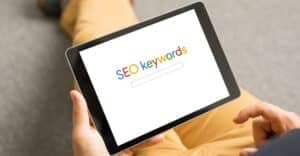
Internet marketers have used the acronym SEO for years. It stands for Search Engine Optimisation, and it refers to the process of improving your website for search engines.
Breakingdown SEO
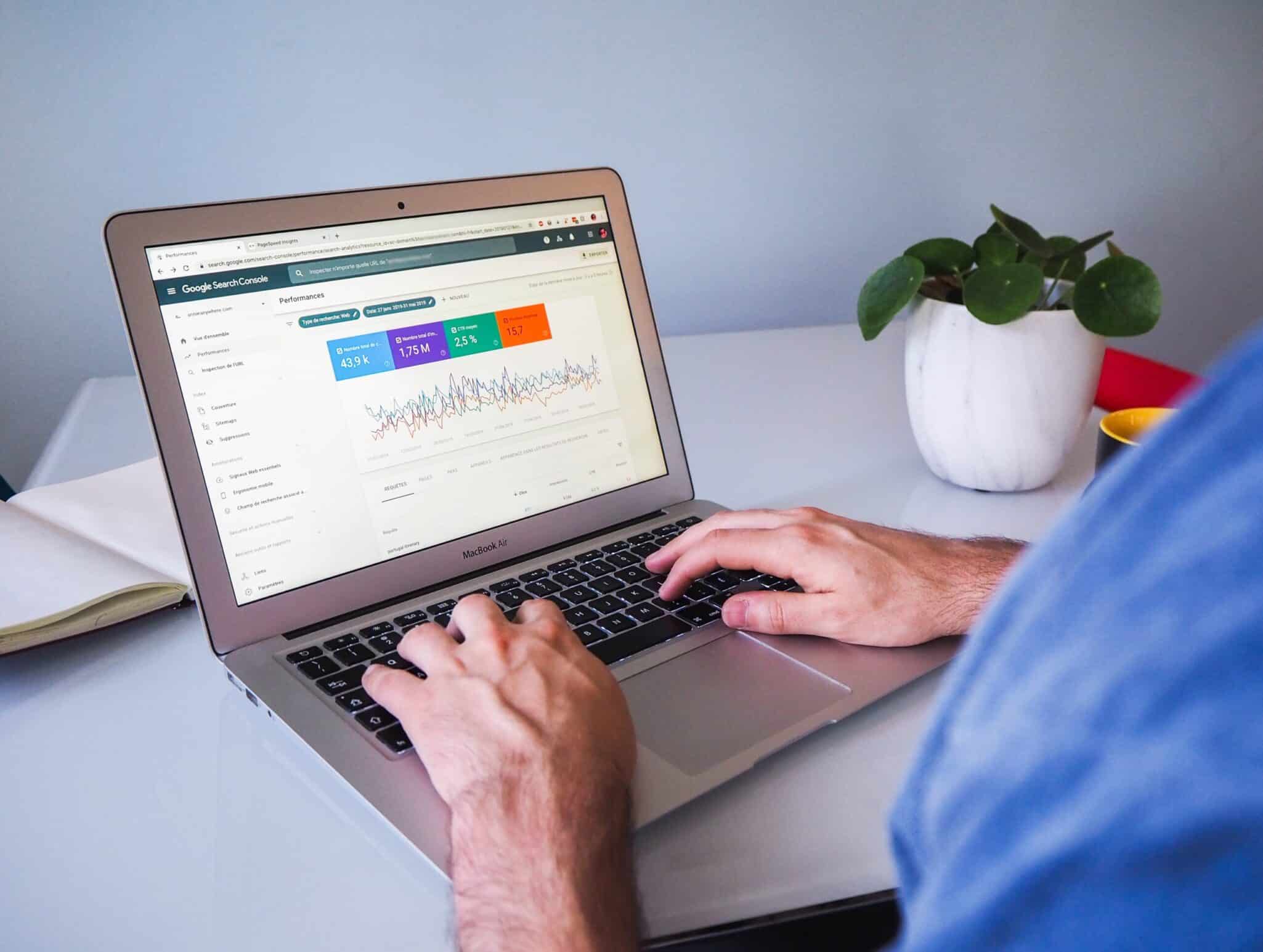
SEO is a type of marketing that uses various techniques to persuade and affect the visibility of a website or a web page in a search engine’s unpaid results – often referred to as “natural,” “organic,” or “earned” results. Whenever we try to measure the performance of a website, we use metrics. We also use search queries to find what’s trending in the world of the internet. A core part of optimising your website revolves around understanding search engine metrics. These metrics help you understand how your website is performing compared to other websites that are ranking for similar topics. You can track many different metrics for your website, including social media metrics like number of followers/likes/shares, traffic sources (i.e., search engines, social media, email, etc.), site speed, bounce rate or organic traffic growth.
The four types of Search Intent
Content optimisation is an important part of your SEO campaign – correctly optimising your content is crucial to maximise your search results. Knowing what your visitors want can help you create content that they enjoy and will result in increased traffic and conversion rates. To discover what type of intent your visitor will have before they visit your site is crucial and this article will teach you how you can do it with something very simple: using an auto suggest tool, which usually comes built into the browser, to see the words that people Google to find a site like yours.
Informational: Refers to the mindset of the person searching. In other words, what kind of answers are they looking for? Are they looking for a definition? The steps to accomplish something. General knowledge about a topic? If the searcher is looking for answers or solutions, then informational search intent is relevant.
Navigational: Is a type of search intent where a user searches for a certain website or page to navigate to. “How do I use Photoshop?” and “How to use Photoshop” are both navigational search intents as they lead you directly to Adobe’s tutorial rather than a content piece on the product. They carry little-to-no brand value. There is, however, a form of navigational search intent that does carry some brand value. This has been coined as informational search intent which takes the form of platforms such as YouTube and Wikipedia. As users have limited time and there’s much information available online, this type of search intent is great for conversion rate optimisation scheme as it leads people to useful content.
Commercial: Is when a searcher is looking for a business or brand to provide a specific product or service [Search Engine Land].
Transactional: The execution of a specific task via a search engine. E.g., restaurant, hotels, price compare site.
How to use Title Tags and Meta Descriptions
Whether you’re writing for a blog or website, title tags will affect how potential customers find your content in search engines. It is important to optimise all pages of your site for highly searched keywords and phrases. Well-optimised title tags give sites an extra boost in organic ranking and in page and domain authority. Googles algorithms are getting more and more advanced with each passing day. They are now able to tell if a title tag written for one page will be relevant or not from another page. Meaning, if you have a page ranking for the keywords “Best Seo Tools” and your title tag was written to match that specific topic, a user searching for a term like “Best X Tools” might be skewed off because it reads as though the content is not going to relate
Meta description is included in the headers of your webpage, and it’s seen by all web crawlers/bots/spiders. Search engines use meta descriptions to help rank websites higher in Search Engine Results Pages. Adding various meta descriptions to each of your pages not only helps with rankings but also increases click-through rate on search results.
Page Speed
Making sure that your page loads fast and is easy for users to browse. There’s no reason why you should limit yourself to working with just one developer or designer. Get in touch with several people and bounce off ideas before coming up with a solution. For years, Google has been placing a higher emphasis on page speed metrics. The general consensus is that a fast site performs better and ranks higher. In recent versions of Google’s algorithm, slow page load times have been directly targeted and it seems more will be penalised if their load times can’t get any better.
Internal Linking
Internal linking is an incredibly powerful tool that will help boost your rankings and bring you more business. They are the links that lead you to other pages on your website. You can also call them “deep links” or “breadcrumbs” if you have a hierarchical website structure.
Check out our website here to see what we can do for you and your buisness.
Found this useful? Put it to work on your business.
Get your free audit