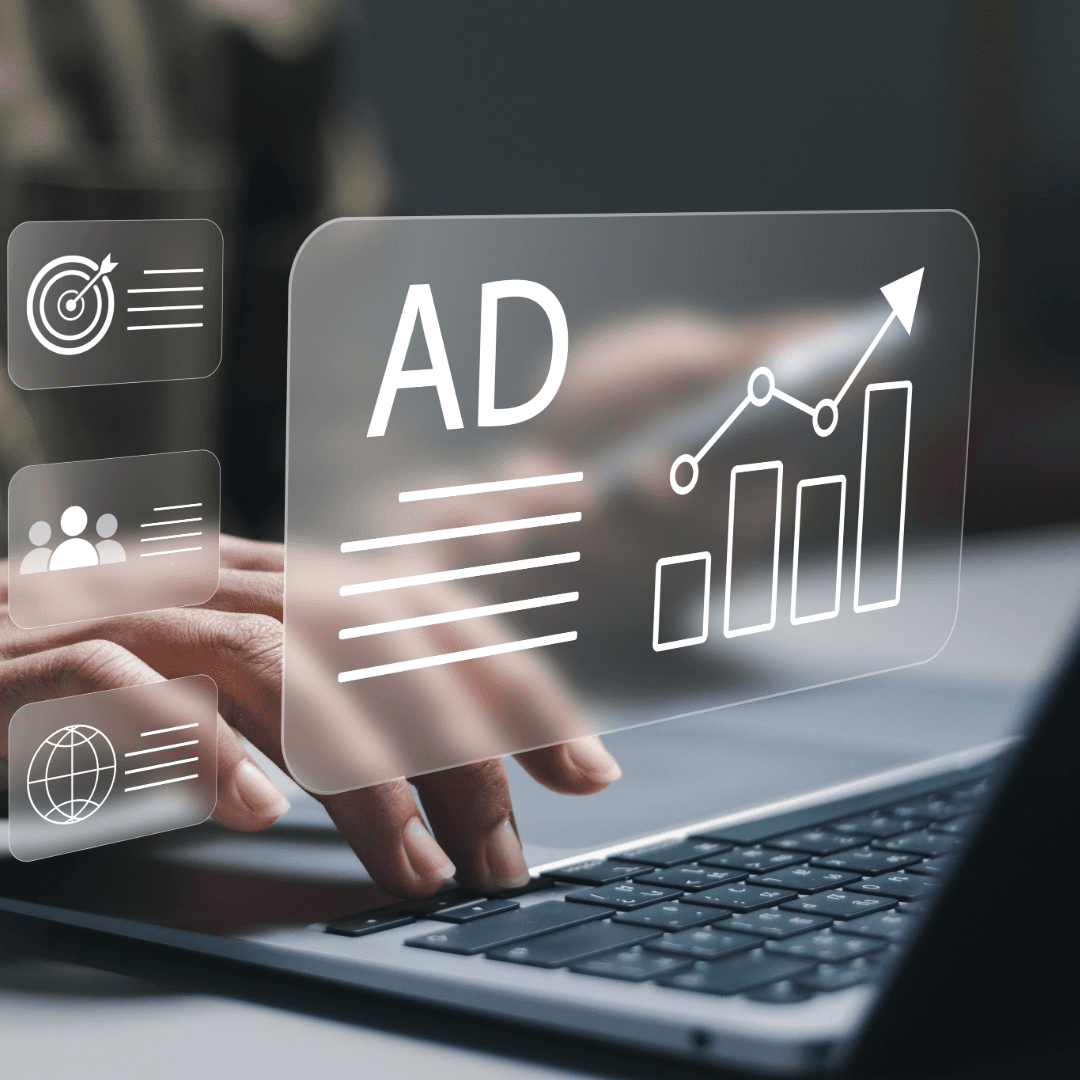

In today’s competitive digital landscape, businesses must use the most effective strategies to reach their target audience. One such strategy is paid advertising, which can deliver immediate results and drive significant traffic to your website. When done right, paid advertising through platforms like Google Ads and social media can offer a substantial return on investment (ROI). But how do you ensure you’re running cost-effective campaigns? In this guide, we’ll explore how to maximise your ROI through smart pay-per-click (PPC) strategies.
What is Paid Advertising?
Paid advertising is a digital marketing strategy where businesses pay to have their ads displayed online. These ads can appear on search engines like Google, as well as on social media platforms such as Facebook, Instagram, and LinkedIn. The goal of paid advertising is to drive traffic, increase conversions, and ultimately, boost sales.
For businesses of all sizes, paid advertising is an excellent way to compete in the digital space, as it allows them to target specific audiences and achieve measurable results.
The Benefits of Paid Advertising
Paid advertising offers several benefits that make it a powerful tool for businesses. Some of these include:
- Immediate results: Unlike organic marketing, which can take months to yield results, paid advertising drives traffic quickly.
- Targeted reach: You can precisely define who sees your ads, ensuring they reach the people most likely to convert.
- Scalability: Whether your budget is small or large, paid advertising can be scaled to meet your needs.
The key to enjoying these benefits, however, is running cost-effective campaigns. Let’s look at how you can do this on Google Ads and social media platforms.
Maximising ROI with Google Ads
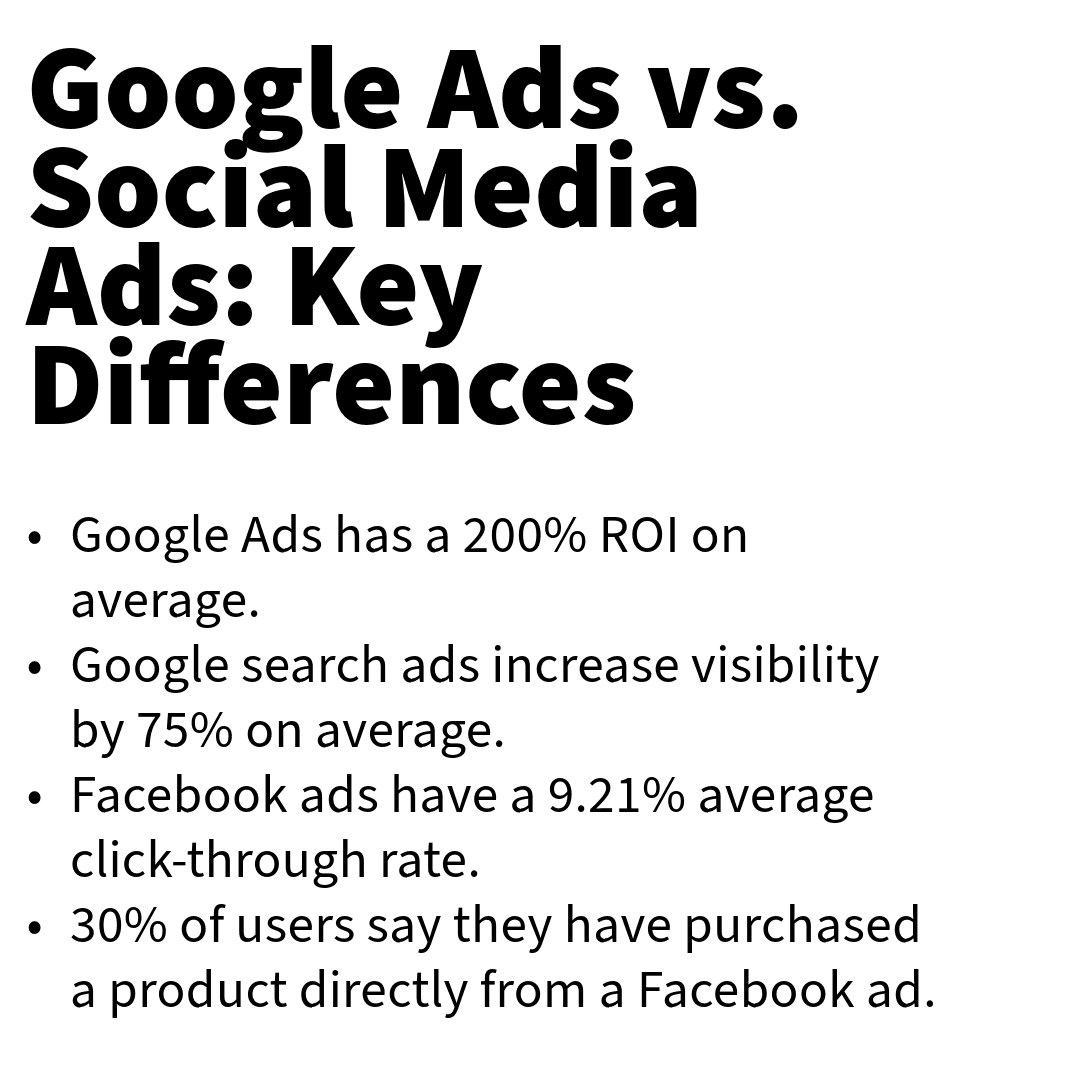
Google Ads is one of the most popular platforms for paid advertising. It allows businesses to display ads in Google search results and on partner websites. Given its wide reach, it’s essential to focus on maximising ROI while managing costs effectively. Here’s how:
1. Set Clear Goals
Before launching a Google Ads campaign, define your goals. Do you want to drive traffic to your website, increase sales, or generate leads? Clear goals will help you design campaigns that are both targeted and effective, ensuring your paid advertising efforts yield the best results.
2. Optimise Keyword Selection
Choosing the right keywords is crucial for cost-effective paid advertising. Google Ads operates on a bidding system, so the keywords you select directly impact your cost-per-click (CPC). Use tools like Google’s Keyword Planner to find keywords that are relevant to your business, but not overly competitive.
Long-tail keywords are often more cost-effective than broad, highly competitive terms. For example, instead of bidding on “dental services”, try targeting more specific phrases like “affordable teeth whitening in London”.
3. Monitor and Adjust Bids
Paid advertising on Google is dynamic. To maximise ROI, regularly monitor your bids and adjust them based on performance. You may find that certain keywords drive more conversions at a lower cost, allowing you to reduce spending on underperforming keywords.
Automated bid strategies, such as Target CPA (Cost Per Acquisition) or Target ROAS (Return on Ad Spend), can also help optimise your campaigns. These strategies allow Google to adjust your bids automatically to meet your desired goals, improving efficiency and ROI.
4. Use Ad Extensions
Ad extensions allow you to add extra information to your ads, such as phone numbers, links to specific pages, or additional details about your business. These can increase click-through rates (CTR) and provide users with more reasons to engage with your ad.
By making your ad more relevant and informative, you improve your chances of converting clicks into leads or sales, making your paid advertising more cost-effective.
5. Track and Measure Performance
To ensure your paid advertising campaign delivers the best ROI, it’s crucial to track and measure performance. Google Ads provides detailed analytics that allows you to assess how well your campaigns are performing. Key metrics to monitor include CTR, conversion rates, and cost per conversion.
Regularly reviewing this data allows you to make informed decisions and adjustments to your campaigns, ensuring that you’re continuously improving your results.
Maximising ROI with Social Media Advertising
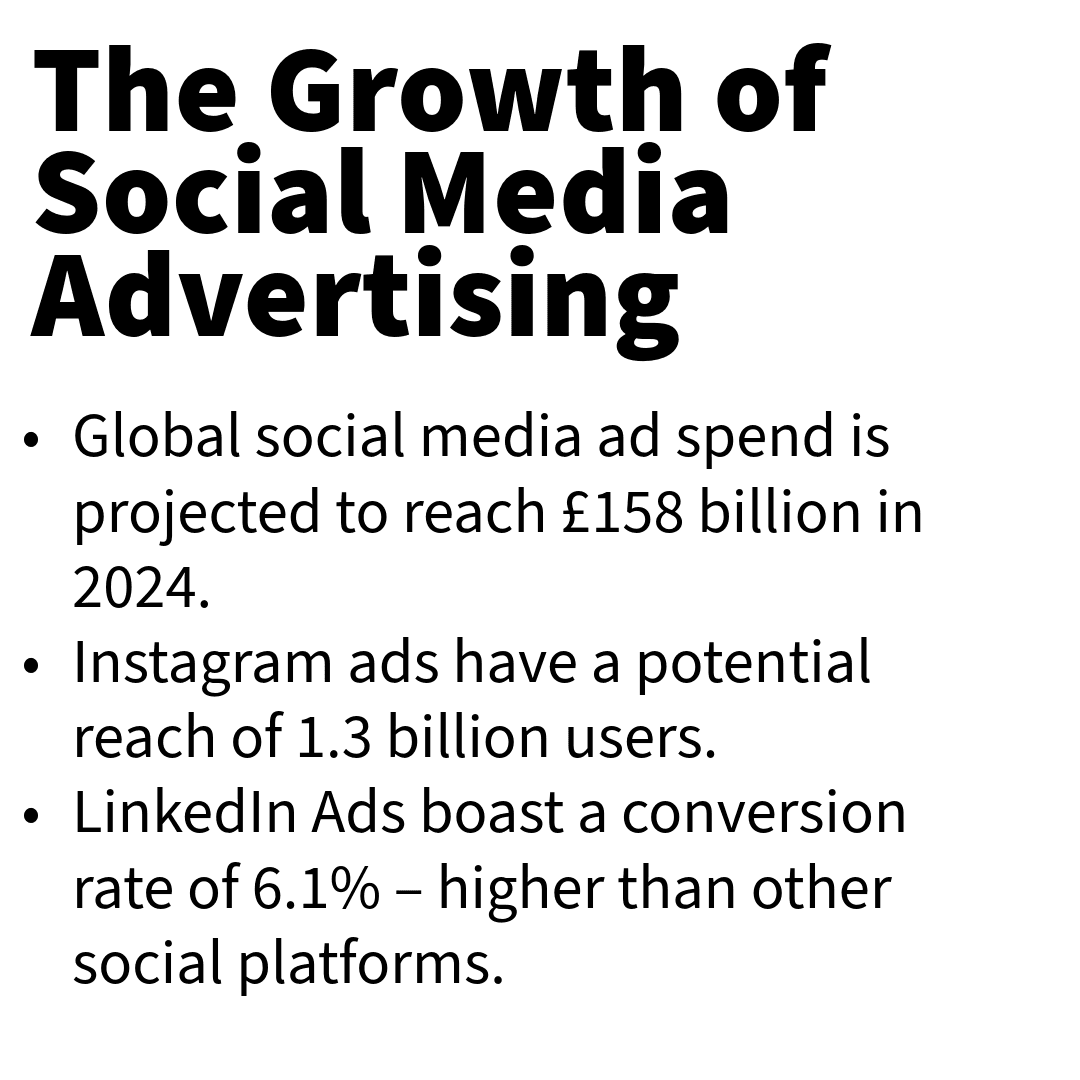
Social media platforms like Facebook, Instagram, and LinkedIn are essential tools for paid advertising. These platforms offer highly targeted paid advertising options that allow businesses to reach specific demographics, interests, and behaviours.
1. Target the Right Audience
One of the biggest advantages of paid advertising on social media is the ability to target specific audiences. You can narrow down your target based on factors such as location, age, gender, interests, and even purchasing behaviour.
By focusing your efforts on the right audience, you’ll increase the likelihood of your ads resonating with users, leading to higher conversion rates and maximising your ROI.
2. Create Compelling Ad Creatives
The success of your paid advertising campaigns on social media hinges largely on the quality of your ad creatives. Engaging visuals and strong copy are essential to grabbing the attention of users and driving them to take action.
Ensure your ad copy is clear, concise, and includes a strong call to action (CTA). Additionally, using high-quality images or videos that reflect your brand will help your ads stand out in a user’s social media feed.
3. Leverage Facebook Pixel for Retargeting
Facebook Pixel is a powerful tool for retargeting, allowing you to show ads to people who have already interacted with your website. This can significantly improve the effectiveness of your paid advertising campaigns, as users who are familiar with your brand are more likely to convert.
By using retargeting strategies, you can maximise ROI by focusing on users who have already shown interest in your products or services.
4. Monitor Ad Frequency
While it’s important to get your ads in front of your target audience, it’s equally crucial to avoid overwhelming them with too many ads. High ad frequency can lead to ad fatigue, where users become less likely to engage with your paid advertising.
To prevent this, monitor your ad frequency and adjust your campaigns accordingly. By keeping your ad exposure in check, you’ll ensure that your budget is being used effectively and your audience remains engaged.
5. Use A/B Testing
A/B testing, also known as split testing, is a method of comparing two versions of an ad to see which one performs better. By testing different ad creatives, copy, or targeting strategies, you can identify which combinations yield the highest engagement and conversion rates.
Running A/B tests allows you to refine your paid advertising campaigns, ensuring that you’re using the most cost-effective strategies to maximise your ROI.
Conclusion: The Power of Paid Advertising
Paid advertising, when done right, is one of the most powerful tools available to businesses today. Platforms like Google Ads and social media provide unparalleled opportunities to reach targeted audiences, drive traffic, and increase conversions. By following the strategies outlined in this post, businesses can ensure their paid advertising campaigns are not only cost-effective but also deliver a significant return on investment.
Remember, the key to success with paid advertising is continuous optimisation. By setting clear goals, refining your targeting, and using data to guide your decisions, you can make the most of your advertising budget and achieve long-term success.
Ready to take your digital advertising to the next level? Boost your business with cost-effective PPC campaigns that deliver real results. Contact Digital Marketing Expert today to optimise your paid advertising strategy and start maximising your ROI!
Found this useful? Put it to work on your business.
Get your free audit