


In the dynamic and ever-evolving world of digital marketing, having engaging content has never been more pertinent. As competition intensifies and audience preferences shift, crafting blog posts that captivate and engage is essential. This comprehensive guide talks about the strategies and methods that are crucial for producing compelling blog content in 2024.
Understanding Your Audience
Conducting Audience Research
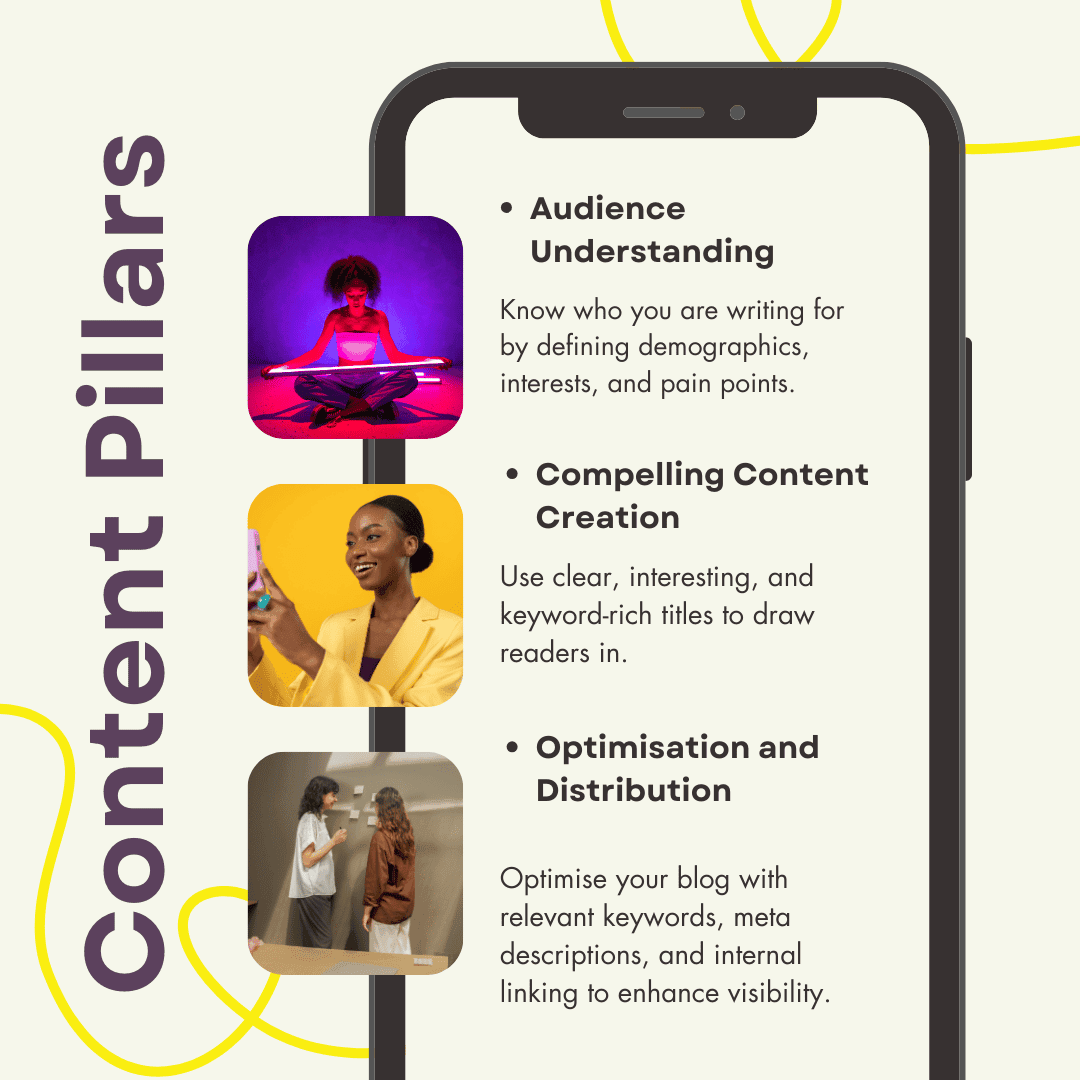
To create content that resonates, it is imperative to possess a profound understanding of your audience. Initiate this process with diligent audience research, utilising tools such as Google Analytics, social media insights, and customer surveys to gather data on demographics, interests, and pain points.
Creating Reader Personas
Translate your data into detailed reader personas. These personas should encapsulate demographic information, professional roles, interests, and challenges. By visualising your reader, you can tailor your content to meet their specific needs and preferences effectively.
Analysing Audience Needs and Preferences
Grasping the nuances of your audience’s needs and preferences is vital for producing engaging content. Analyse high-performing content within your niche by examining metrics like shares, comments, and dwell time. This analysis will reveal what resonates most with your audience.
Research and Planning
Importance of Thorough Research
Credible and well-researched content fosters trust and engagement. Dive deep into your chosen topic, sourcing information from reputable industry experts, academic publications, and authoritative news outlets. Comprehensive research enriches your content and establishes your authority.
How to Find Reliable Sources
In an era filled with misinformation, the integrity of your sources is crucial. Prioritise established industry experts, peer-reviewed journals, and well-regarded news agencies. Always cross-reference data to ensure accuracy before including information in your blog post.
Creating an Effective Content Plan
A strategic content plan underpins successful blog writing. Outline your primary points and structure your content logically to ensure coherence and comprehensiveness. A well-conceived plan facilitates a smooth flow and thorough coverage of your topic.
Crafting a Captivating Title
The Role of Headlines in Attracting Readers
The headline is your content’s first impression. An engaging title can significantly enhance your click-through rate. Ensure your headline is clear, concise, and intriguing enough to compel readers to explore further.
Tips for Writing Attention-Grabbing Titles
Incorporate power words, numbers, and questions in your titles to capture attention. Effective phrases include “How to,” “The Ultimate Guide,” and “Top 10.” Ensure the title accurately reflects the content to maintain reader trust. The use of power words and numbers invoke curiosity, making your titles more compelling. Numbers provide structure and promise specific takeaways, increasing the likelihood of clicks. For example, “7 Proven Strategies to Boost Your SEO in 2024.”
Writing an Engaging Introduction
Hooking the Reader from the Start
The introduction of your blog posts are the key to drawing in your readers, specifically the initial sentences of your blog post, starting with surprising facts or a thought-provoking question will captivate the reader resulting in further engagement. This strategy draws readers in and encourages them to continue reading. Utilise storytelling, anecdotes, or relatable scenarios to engage your audience. Offering a preview of what the blog post will cover will entice readers to stay engaged. Ensure your introduction is pertinent and seamlessly leads into the main content. Maintain a logical flow, ensuring the reader understands what to expect from the subsequent content.
Structuring Your Blog Post
Importance of a Clear Structure
A clearly structured blog post enhances readability and comprehension. Segment your content with headings and subheadings, improving navigation and SEO.
Using Headings and Subheadings
Headings and subheadings serve as signposts, making it easier for readers to skim and locate pertinent information. Use H2 for main sections and H3 for subsections.
Ensuring Logical Flow and Readability
Ensure your content moves logically from one point to the next. Utilise transition words and phrases to guide readers through your arguments or narrative. Keep paragraphs concise and sentences clear to enhance readability.
Creating Valuable Content
Providing Useful and Actionable Information
Delivering real value is crucial. Provide actionable tips, step-by-step guides, and practical advice that readers can implement. This approach not only engages readers but also cements your status in your field.
Balancing Information and Entertainment
While informative content is essential, don’t overlook the importance of entertainment. Adopt a conversational tone, incorporate anecdotes, and infuse humour where appropriate. This keeps readers captivated and makes your content more memorable.
Using Storytelling to Enhance Engagement
Storytelling is an important tool for engagement. Use it to illustrate your points and make your content more relatable. Share personal experiences, case studies, or client stories to bring your content to life.

Utilising Visuals
Importance of Images, Infographics, and Videos
Visual content is crucial for maintaining reader engagement. Images, infographics, and videos can break up text, illustrate points, and enhance appeal. They also boost shareability on social media.
How to Choose and Use Visuals Effectively
Select visuals that are relevant and enhance understanding. Ensure images are high quality and properly attributed. Infographics should be clear and concise, and videos should be engaging.
Tools for Creating High-Quality Visuals
Numerous tools can aid in creating professional visuals. Canva is excellent for infographics and graphics, Unsplash provides high-quality images, and Lumen5 is great for crafting engaging videos.
Incorporating SEO Best Practices
Understanding SEO Basics for 2024
SEO (Search Engine Optimisation) is an ever-changing landscape. Stay updated with the best practices, focusing on high-quality content, user experience, and the latest algorithm updates. Core Web Vitals, mobile-friendliness, and secure browsing are pivotal in 2024.
Keyword Research and Placement
Conduct comprehensive keyword research to understand audience queries. Utilise tools like Google Keyword Planner, Ahrefs, or SEMrush. Integrate keywords naturally into your content, including headings, subheadings, and throughout the text.
Optimising Meta Descriptions and Alt Texts
Meta descriptions and alt texts are crucial for SEO. Craft concise, compelling meta descriptions with your primary keyword. Use descriptive alt texts for images to improve accessibility and SEO.
Maintaining a Consistent Tone and Voice
Establishing Your Brand Voice
Consistency in your brand voice across all content is vital. Determine whether your tone is formal, casual, humorous, or authoritative, and adhere to it. This builds brand identity and fosters reader trust.
Adapting the Tone to Your Audience
While consistency is key, adapt your tone to your audience. A blog targeting professionals in a niche industry may require a formal tone, whereas a lifestyle blog could be more casual and conversational.
Ensuring Consistency Across Posts
With consistency in tone, style, and format enhances brand recognition. Develop style guidelines to ensure all content aligns with your brand voice. Include guidelines for language, punctuation, and formatting.
Encouraging Reader Interaction
Encourage readers to interact by asking questions, prompting comments, and creating discussion opportunities. Engaging with readers builds community and encourages loyalty.
Incorporating Calls-to-Action (CTAs)
Effective CTAs guide readers toward desired actions, such as subscribing to a newsletter, downloading a resource, or sharing content. Place CTAs strategically throughout your blog post to maximise engagement.
Using Comments, Polls, and Social Media
Enable comments on your blog and actively respond to foster communities. Use polls to gather feedback and insights from your audience. Promote your blog posts on social media to reach a broader audience and encourage interaction.
Editing and Proofreading
Importance of a Polished Final Product
Editing and proofreading are crucial. A polished final product enhances readability, reflects well on your brand, and keeps it engaging. Take a break before editing to approach your content with fresh eyes. Read your post aloud to catch awkward phrasing or errors. Check for clarity, coherence, and tone consistency. Use tools like Grammarly and Hemingway Editor to catch grammar and style issues. Consider having a colleague or professional editor review your content for a final polish.
Promoting Your Blog Post
Effective Promotion Strategies for 2024
Promotion is key to ensuring your content reaches a wide audience. Use a mix of organic and paid strategies to maximise visibility. Share your posts on social media, leverage email marketing, and consider paid advertising.
Utilising Social Media Platforms
Each social media platform has unique strengths. Use Twitter for updates, LinkedIn for professional content, Instagram for visuals, and Facebook for community engagement. Tailor your approach to each platform’s audience and format.
Engaging with Online Communities and Influencers
Join relevant online communities and engage with industry influencers. Share your content in these communities and collaborate with influencers to expand your reach.
Analysing Performance
Tools for Measuring Blog Post Performance
Use tools like Google Analytics, SEMrush, and social media insights to measure your blog post’s performance. Track metrics such as page views, bounce rate, average time on page, and social shares.
Key Metrics to Track
Monitor engagement metrics like comments, shares, and likes. Track conversion metrics such as CTA clicks and lead generation. Understanding these metrics helps you gauge content effectiveness.
Using Feedback to Improve Future Posts
Use performance data and reader feedback to refine your content strategy. Identify what works and what doesn’t, and continually improve your approach to writing and promoting blog posts.
Conclusion
In 2024, writing engaging blog posts necessitates a profound understanding of your audience, meticulous research, and strategic planning. By crafting captivating titles, delivering valuable content, and incorporating SEO best practices, you can create blog posts that resonate with readers and perform exceptionally. Maintain consistency, foster audience engagement, and continually refine your approach to stay ahead in the dynamic landscape of content marketing.
Additional Resources
- Books: “Everybody Writes” by Ann Handley, “Content Rules” by Ann Handley and C.C. Chapman
- Tools: Google Analytics, SEMrush, Canva
- Courses: HubSpot Content Marketing Certification, Coursera Content Strategy for Professionals
Found this useful? Put it to work on your business.
Get your free audit