
In today’s fast-paced digital landscape, businesses are constantly seeking new ways to gain a competitive edge. One of the most significant advancements driving change in marketing is the use of AI and automation. These technologies are reshaping the way marketers approach their strategies, offering new possibilities to improve campaign effectiveness, personalise customer experiences, and streamline workflows.
AI and automation are not only transforming the marketing industry but are also becoming essential tools for businesses of all sizes. In this blog post, we’ll explore how AI and automation are enhancing personalisation, boosting efficiency, and improving overall marketing results. We will also look at how these technologies are set to shape the future of marketing.
1. The Power of AI in Personalisation
In the world of marketing, personalisation has become a key driver of success. Consumers are no longer satisfied with generic messages. They expect brands to deliver relevant, tailored experiences that speak directly to their needs and interests. This is where AI and automation come into play.
AI allows marketers to analyse vast amounts of data in real time, enabling them to better understand their customers. By leveraging AI, businesses can create highly personalised marketing campaigns that target specific segments of their audience. Whether it’s personalised product recommendations, dynamic email content, or targeted ads, AI and automation enable marketers to reach the right people at the right time with the right message.
For instance, AI-powered recommendation engines analyse customer behaviour and preferences, enabling businesses to offer suggestions that are tailored to individual users. This level of personalisation increases engagement, improves customer satisfaction, and ultimately drives conversions.
2. Streamlining Workflows with Automation
Another significant benefit of AI and automation in marketing is the ability to streamline workflows. Marketing teams often find themselves bogged down by repetitive tasks, such as sending emails or updating customer databases. Automation tools can take care of these routine tasks, freeing up time for marketers to focus on more strategic initiatives.
Automation tools, powered by AI, can handle tasks such as lead scoring and customer segmentation. For example, AI can be used to automatically categorise leads based on their likelihood of converting, enabling sales teams to prioritise their efforts.
By reducing manual workloads, AI and automation not only save time but also minimise human error. This results in more efficient marketing operations and allows businesses to scale their efforts without increasing resources.
3. AI-Driven Campaign Optimisation
The effectiveness of marketing campaigns relies heavily on the ability to measure and optimise performance. AI and automation provide marketers with powerful insights that can be used to continuously refine and improve campaigns.
One area where AI and automation excel is in A/B testing. Traditionally, A/B testing required manual setup and analysis. With AI, businesses can run multiple tests simultaneously, automatically identifying the best-performing variations in real time. This not only speeds up the testing process but also ensures that campaigns are optimised for maximum effectiveness.
Furthermore, AI algorithms can predict future trends based on historical data, allowing marketers to make data-driven decisions. By identifying patterns in customer behaviour, AI can help marketers anticipate what will resonate with their audience and adjust their strategies accordingly.
In addition to A/B testing, AI can also automate the process of adjusting bids in pay-per-click (PPC) campaigns. By analysing the performance of keywords and ads, AI-powered tools can optimise bids to maximise return on investment (ROI). This level of automation ensures that marketing budgets are spent more efficiently, leading to better results.
4. Enhancing Customer Experiences with AI
Customer experience is at the heart of any successful marketing strategy. With AI and automation, businesses can deliver more seamless and enjoyable customer experiences.
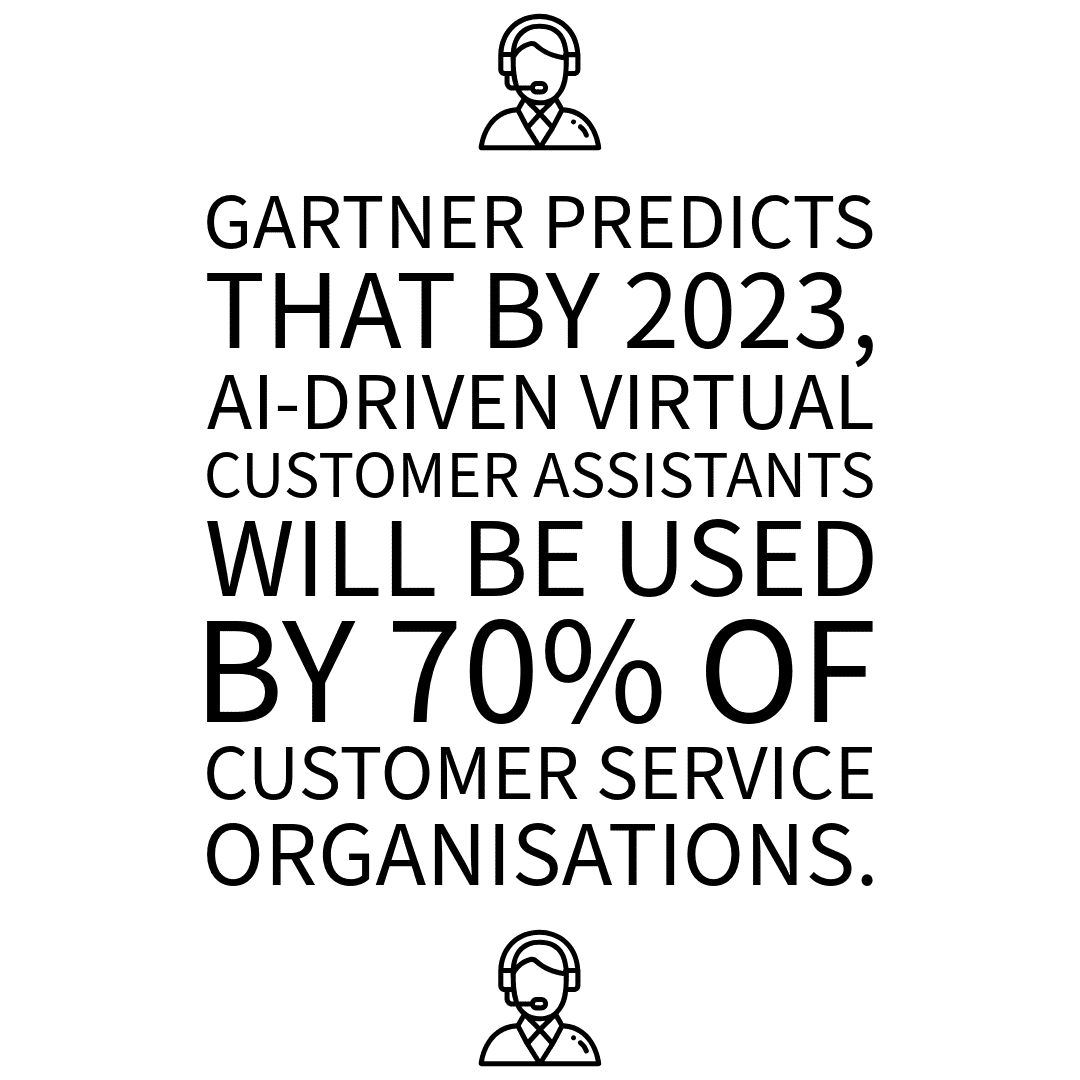
One way that AI and automation are enhancing customer experiences is through chatbots and virtual assistants. These AI-powered tools provide instant, 24/7 support to customers, answering queries, and guiding them through their buying journey. Not only do chatbots improve response times, but they also reduce the workload on customer service teams.
AI can also be used to personalise customer interactions across multiple touchpoints. For example, AI-driven email marketing platforms can send personalised emails based on customer behaviour, such as abandoned carts or recent purchases. These tailored messages are more likely to engage customers and encourage them to take action.
In addition to personalising customer interactions, AI and automation can enhance customer loyalty programmes. By analysing customer data, AI can identify patterns in purchasing behaviour and recommend personalised rewards or incentives. This not only strengthens customer relationships but also drives repeat purchases and brand loyalty.
5. Overcoming Challenges with AI and Automation
While AI and automation offer numerous benefits, it’s important to acknowledge that they are not without challenges. Implementing these technologies requires careful planning and a clear understanding of business objectives.
One of the key challenges is the need for high-quality data. AI algorithms rely on accurate and relevant data to function effectively. Without the right data, AI can produce misleading results, leading to ineffective campaigns. Therefore, businesses must invest in proper data management and ensure that their data is clean, up-to-date, and comprehensive.
Another challenge is the potential for over-reliance on automation. While automation can save time and improve efficiency, it’s important for businesses to strike a balance between automation and human oversight. Marketing is ultimately about building relationships with customers, and there are aspects of this that require a human touch.
Finally, privacy concerns are becoming increasingly important in the digital age. As AI and automation become more sophisticated, businesses must be mindful of how they collect, store, and use customer data. Ensuring compliance with data protection regulations, such as GDPR, is essential for maintaining trust with customers.
6. The Future of AI and Automation in Marketing
Looking ahead, the role of AI and automation in marketing is only set to grow. As these technologies continue to evolve, we can expect even more advanced capabilities that will further enhance personalisation, streamline workflows, and improve campaign effectiveness.
Another exciting development is the integration of AI with emerging technologies such as augmented reality (AR) and virtual reality (VR). These technologies have the potential to create highly immersive and interactive customer experiences, further blurring the lines between digital and physical marketing.
Conclusion
The growing role of AI and automation in marketing is undeniable. These technologies are transforming the way businesses approach personalisation, workflow management, and campaign optimisation. By leveraging AI-powered tools, marketers can deliver more personalised experiences, streamline their operations, and achieve better results.
As AI and automation continue to evolve, businesses that embrace these technologies will be well-positioned to stay ahead of the curve. However, it’s essential to strike a balance between automation and human oversight to ensure that marketing efforts remain authentic and customer-focused.
Ultimately, AI and automation offer a wealth of opportunities for businesses to enhance their marketing strategies and drive success in an increasingly competitive landscape.
Looking to elevate your digital marketing strategy? Our team of experts at Digital Marketing Expert is here to help you drive results through tailored campaigns, strategic insights, and personalised solutions. Contact us today to see how we can help your business grow and thrive in the digital landscape!
Found this useful? Put it to work on your business.
Get your free audit